


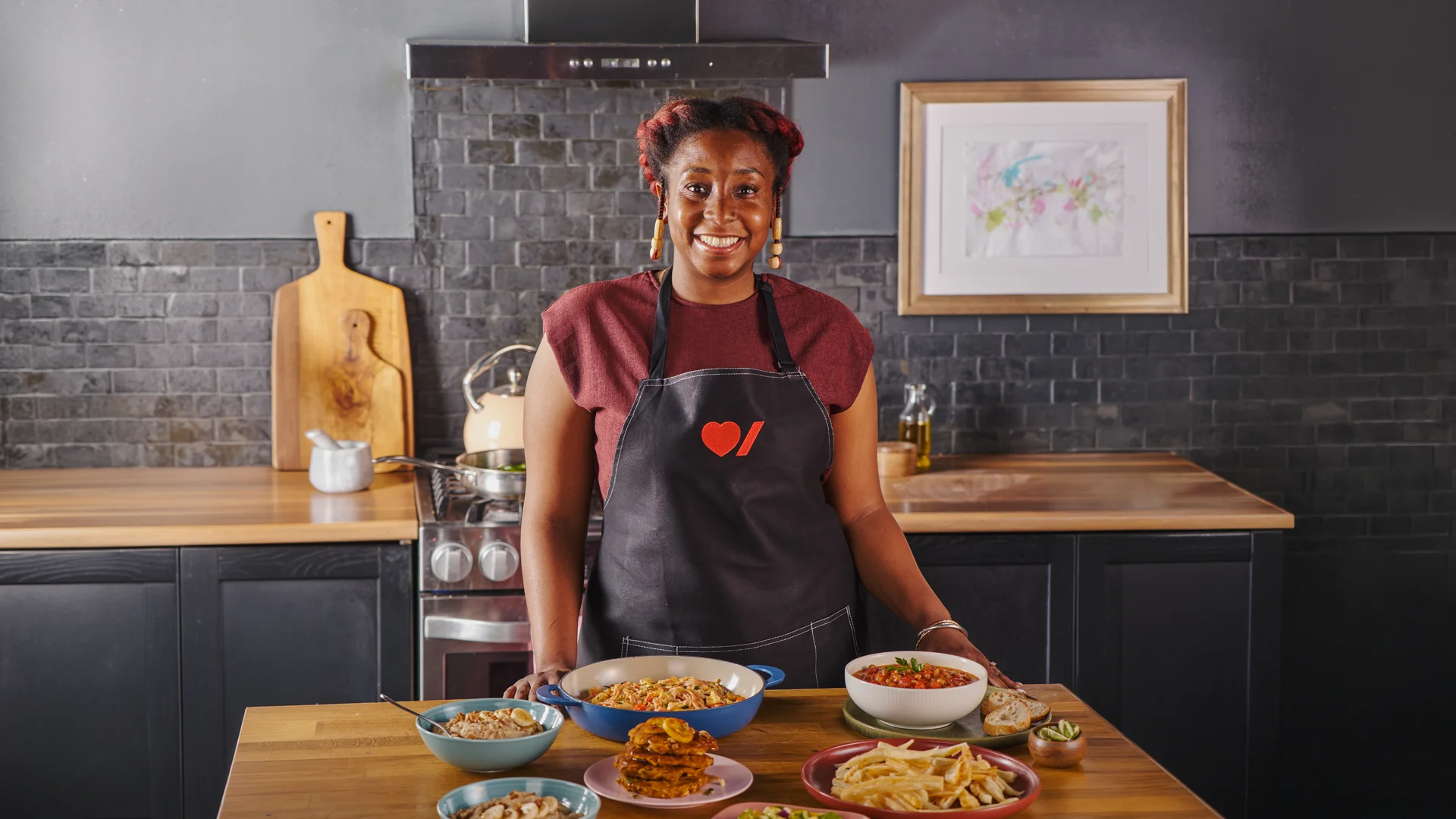
The gaps in Canada’s healthcare system hit home for Mystery Furtado when both her grandmother and best friend were diagnosed with diabetes:
“When you get a diagnosis of type 2 diabetes, you typically also get a sheet of paper that tells you what you need to eat,” she says. “And for most people from the African, Caribbean and Black (ACB) communities, you look at it and you go, ‘I don't eat anything on this paper.’”
Working in community health care, in London, Ont., she heard about the same challenges repeatedly from Black people with diabetes: resources that overlooked their food traditions and struggles to find affordable and nutritious cultural ingredients.
“All of that made me realize that we could do so much great work,” says Furtado. In 2018, she founded a non-profit organization Type Diabeat-It. Her mission? To offer culturally sensitive support and resources to ACB community members — and other people of colour — living with diabetes.
Type Diabeat-It has since become a registered charity working with several community partners. Their initiatives include:
- London’s first Black community garden
- Afro-heritage cooking and food literacy programs
- A youth summit
- Black-led fitness programs adapted for people impacted by diabetes symptoms
- Culturally sensitive support groups.
Why culturally relevant diabetes support matters
According to Diabetes Canada, “being of African, Arab, Asian, Hispanic, Indigenous, or South Asian descent can increase your risk of living with type 2 diabetes.” Having diabetes raises your risk of high blood pressure, heart disease and stroke.
Both genetics and social determinants of health play a role. In Canada, twice as many Black people as white people report facing barriers to healthcare and food security. And Black women are more exposed to chronic stressors, including racial and sexual discrimination, which can impact their health and treatment outcomes.
Often the Mediterranean diet is the default recommendation for diabetes management. “There’s this stigma around ‘Black food,’” says Furtado. She adds that food deserts are an issue and finding diabetes-friendly cultural foods might mean driving to a bigger town or city.
Familiar flavours
In cooking classes for all ages — from elementary school kids to seniors — Type Diabeat-It instructors demonstrate a range of delicious preparations for popular ingredients.
Take green bananas. A resistant starch, they don’t spike blood sugar. They can be boiled, added to salads or subbed in for fries — “a big hit with kids.”
Mashed ripe plantain taste great in pancakes. They have a lower glycemic index and more fibre than bananas or other sweeteners.
For colder days, porridges of plantain, green bananas or millet offer a gut- and heart-healthy alternative to oats. Soups with ground foods and tubers — like cassava and yams — are also diabetes-friendly.
Participants bring their own cultural twists to dishes. “They’ll say, ‘oh, you can add this, because this is how my family made it back home,’” Furtado says. “We’re building on that ancestral wisdom together.”
Partners in change
Type Diabeat-It and Heart & Stroke connected through a shared focus on expanding food literacy and outreach. “Heart & Stroke was looking to be more culturally aware and offer recipes that better reflect the communities they serve,” Furtado says.
This new Type Diabeat-It recipe collection aligns with Heart & Stroke’s nutritional guidelines. You’ll find everything from a comforting porridge to a hearty bean stew to creamy ackee and spaghetti.
Try these vibrant Afrocentric dishes to stabilize your blood sugar and support your heart and brain health.


