We’re fighting to save lives

By advancing research and sharing what we learn, we turn breakthroughs into action, protecting more hearts and brains through advocacy, education and real-world solutions. Our key priorities are:
Donate
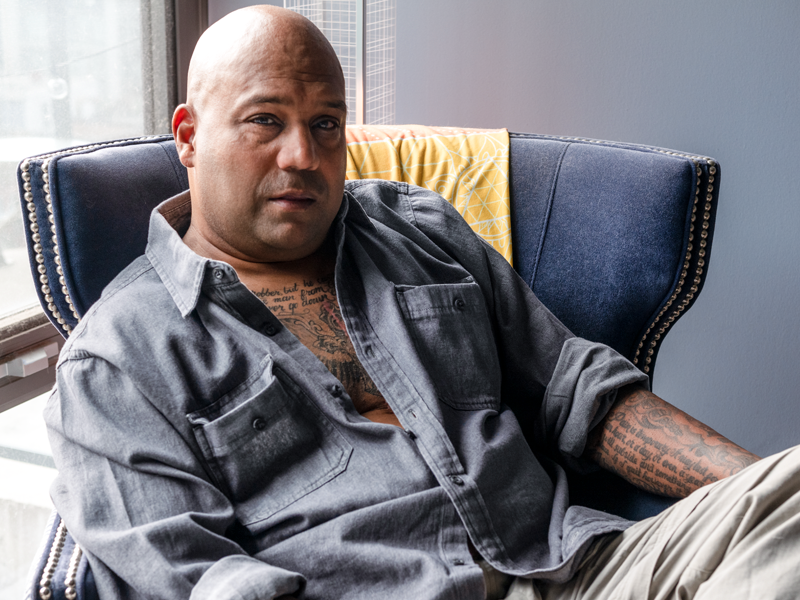
Kevin Lobo, living with heart failure

Prevent the surge of heart failure
Prevent the surge of heart failure

Anything that can damage the heart can damage its function. Today, close to 800,000 people in Canada are living with heart failure, with about 100,000 diagnosed every year. They face a complicated, deadly disease that diminishes their quality of life. Heart & Stroke brought together cardiac experts and organizations to launch a national action plan. This plan tackles heart failure on all fronts: advancing research, preventing heart damage, creating new treatments, and improving diagnosis and access to care and medications. 
Learn more

Transform the stroke system and care

Transform the stroke system and care

In an instant, stroke can devastate families. It’s a leading cause of death, and 60% of people who survive are left with some disability. We are the stroke authority in Canada, fighting to raise awareness of the signs of stroke (FAST), fueling medical discoveries, and providing evidence-based healthcare guidelines to deliver world-class stroke care. 
Learn more

Improve cardiac arrest survival rates

Improve cardiac arrest survival rates

The odds of surviving an out-of-hospital cardiac arrest are just 10%. Taking immediate action by bystanders is critical for survival. Heart & Stroke is working to improve survival rates by training Canadians in CPR and AED use through a vast instructor network, and through CardiacCrashTM, a team-based, gamified learning program. As tireless advocates, we ensured AED placement in public places (like skating rinks and office buildings) across Canada.
Learn more

Close the gaps in health inequity

Close the gaps in health inequity

Some communities in Canada bear a disproportionate burden of disease and risk for heart and brain conditions, including women, Indigenous people, and Black communities. By forging partnerships and working within equity-deserving groups, Heart & Stroke is leading the charge to beat health inequity with targeted research programs, building awareness and enabling the healthcare system. Our work for women is just one example.
Learn more

Champion congenital heart disease lifelong care

Champion congenital heart disease lifelong care

Congenital heart disease is a lifelong battle. About 1 in every 100 babies are born with congenital heart disease (CHD). Today, more than 2/3 of people living with CHD are adults. But gaps in research, diagnosis, care and support put them at risk for heart failure and stroke. Heart & Stroke brought together leading CHD experts and people living with CHD to build an action plan that will advance research, raise awareness and improve access to specialized care and support across the lifespan. 
Learn more
An illustration of a strawberry with heart organs

Fight for healthier generations

Fight for healthier generations

Heart & Stroke fought hard for smoke-free spaces, the removal of heart-clogging trans fats in foods, and an updated Canada’s Food Guide. Today, we’re influencing government legislation and regulations to create a vape-free generation, improve nutrition labelling, enable access to affordable medication, and stop the onslaught of harmful marketing to children. 
Learn more

We approach every priority with:

World-class research

We accelerate the pace of discovery that will lead to new and more effective ways of preventing, treating and recovering from heart disease and stroke
A woman scientist examines test tubes

Advocacy and systems change

We advocate for public policies and healthier environments, improved access to support services and a strong and equitable health system for all people in Canada.
A woman viewing a bulletin board

Public awareness and education

We inform, educate and raise awareness of heart disease and stroke prevention, diagnosis, treatment and recovery.
A father and young son out bicycling together

Patient engagement and support

We partner with people with lived experience and their care partners, support them and connect them through their health journey and recovery.
A black grandmother hugs her grandchild

Dr. Michael Hill

Our priorities start with real people

From preventing heart disease to transforming stroke care, our priorities impact lives across Canada. Dr. Hill’s historic breakthrough dramatically reduced stroke deaths and improved recovery.


Discover his breakthrough

Dr. Michael Hill

Our priorities start with real people

From preventing heart disease to transforming stroke care, our priorities impact lives across Canada. Dr. Hill’s historic breakthrough dramatically reduced stroke deaths and improved recovery.


Discover his breakthrough
Mark Friesen, living with stroke.

Mark is swinging his clubs on the golf course and dirt biking on the trails again, after groundbreaking stroke treatment.

John Vipond with his wife Barb.

John’s wish to walk his daughter down the aisle came true, thanks to a revolutionary stroke treatment.

Natalie Scott Chin, living with stroke, at her daughter Jaya’s graduation.

EVT let Natalie write new life chapters — publishing a children's book, teaching, and watching her daughter graduate.

Donald Mumby, living with stroke.

After Donald had a stroke at 26, a treatment breakthrough helped him reclaim his independence.

Melissa, living with stroke

Melissa was 28 when she had a stroke. Thanks to advances in research, she finished university and got a job in her dream field.

Amanda, living with stroke.

Following advanced stroke treatment, Amanda’s greatest recovery milestone wasn’t physical — it was seeing her children and knowing who they were again.

The impact of each $1 donation

Every dollar helps turn research into better prevention and treatment for people across Canada.
  • 64.5 cents

    funds life-saving research, advocacy and health promotion

  • 33.3 cents

    helps us raise funds and awareness

  • 2.2 cents

    goes to administrative costs