


High cholesterol doesn’t usually come with warning signs, but over time it can raise your risk of heart disease and stroke. Fortunately, your daily lifestyle habits and food choices can play a powerful role in managing cholesterol — consistent balanced eating patterns make the biggest difference. Here’s what you need to know.
What is blood cholesterol?
Blood cholesterol is a fat-like substance that circulates in your blood. Cholesterol is mostly made by your liver. Your body needs cholesterol to build cell membranes and produce hormones and vitamin D.
Cholesterol travels through the blood inside particles called lipoproteins. These are the two main types:
- Low-density lipoprotein (LDL) or “bad” cholesterol: High levels of LDL can lead to inflammation and cholesterol buildup in artery walls. Over time this buildup forms plaque, which can narrow your arteries and reduce blood flow to your heart and brain, increasing the risk of heart attack and stroke.
- High-density lipoprotein (HDL) or “good” cholesterol: HDL helps carry excess LDL cholesterol back to the liver, where it can be removed from the body.
Health concerns arise when LDL levels are too high and HDL levels too low.
What is dietary cholesterol?
Dietary cholesterol is found in foods that come from animals, such as:
- eggs
- shellfish
- meat
- poultry
- full-fat dairy products.
Plant-based foods, such as vegetables, grains and beans, don’t contain cholesterol.
What causes high blood cholesterol levels?
It would be easy to assume dietary cholesterol causes high blood cholesterol levels, since they share the name “cholesterol.” But that’s not usually the case.
Eating balanced meals matters more than your dietary cholesterol intake. The biggest impact on blood cholesterol levels comes from the amount of saturated fats in the foods you eat, not just the cholesterol in the food itself.
Note: Some people are “hyper-responders,” meaning their LDL cholesterol may increase when they regularly eat foods high in cholesterol. Your healthcare provider can help determine if this is the case for you.
Other factors that can cause high blood cholesterol:
| Things you can change (modifiable) | Things you can’t change (non-modifiable) |
|---|---|
| Smoking | Family history and genetics |
| Inactivity | How much cholesterol your liver makes |
| Obesity | Age |
| Excess alcohol | Sex |
| Poor eating habits | Race, ethnicity and/or Indigeneity |
Tips to lower or prevent high cholesterol
The most common cause of high cholesterol is an unhealthy lifestyle. The best way to lower cholesterol is to adopt sustainable habits that support your heart and brain health over time.
1. Make healthier food choices
Eat balanced meals: Fill your plate with vegetables, fruit, whole grains and protein-rich foods. Cut back on ultra-processed foods such as sugary drinks, fast food, sweets and salty snacks.
Get enough fibre: Aim for 25-35 grams of fibre per day. Soluble fibre is especially helpful for lowering cholesterol levels because it traps cholesterol in your digestive system, so your body can remove it naturally.
These are all good sources of soluble fibre:
- oats and barley
- beans (black beans, kidney beans, chickpeas, etc.)
- apples and pears
- eggplant and okra
- citrus fruits (oranges, grapefruit)
- psyllium husk (or bran cereal with added psyllium)
- flax and chia seeds.
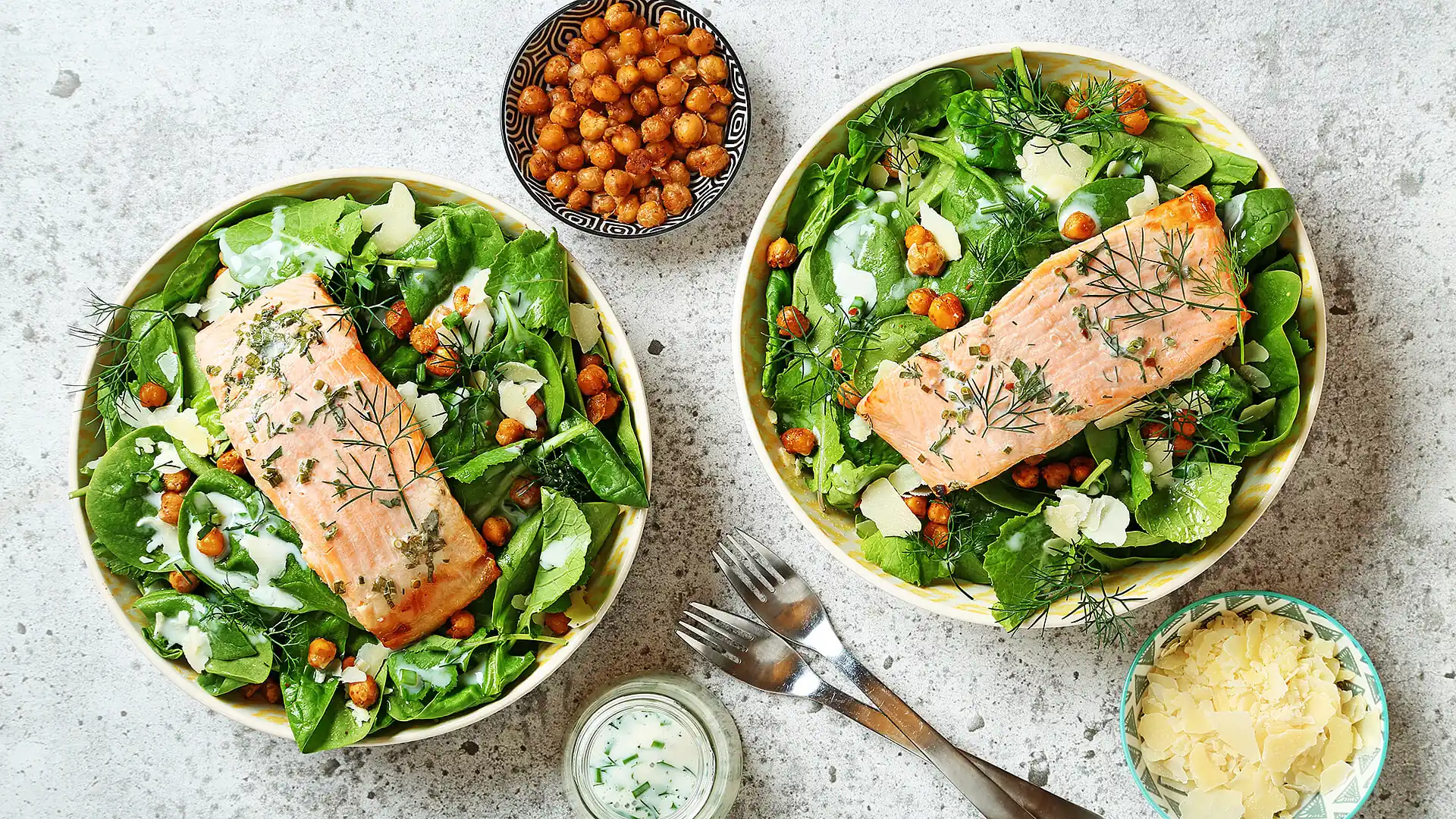
Choose healthy fats: Many foods contain fat, but not all are the same. For healthy cholesterol levels, focus on unsaturated fats, as found in foods such as oil, fatty fish, nuts and seeds, to lower LDL cholesterol and raise HDL cholesterol.
Limit saturated fats, as found in foods such as fatty meat cuts, butter, cream, beef tallow and lard.
Simple swaps make a big difference — choose olive oil instead of butter or salmon instead of a burger.
Learn more about fats and oils.
2. Move more
Aerobic exercise helps raise ‘good’ cholesterol levels. Aim for at least 150 minutes of moderate-to-vigorous physical activity per week, such as brisk walking, cycling, swimming or dancing.
3. Adopt healthier lifestyle habits
Quit smoking and vaping: These are linked to higher LDL and lower HDL cholesterol levels.
Limit (or eliminate) alcohol consumption: Drinking is linked to lower HDL cholesterol levels.
When lifestyle changes are not enough: Some people can follow all these healthy lifestyle tips and still have high cholesterol due to non-modifiable factors.
- Genetics: It’s possible to inherit genes (passed on from one or both parents) that make having high cholesterol more likely. To determine this, your healthcare provider may order a simple blood test to measure your lipoprotein(a) [Lp(a)] level. This level is largely determined by your genes and doesn’t change much over time. High levels can increase your risk of heart disease and stroke, even if your other cholesterol levels are in a healthy range.
- Age: Cholesterol levels tend to increase when estrogen naturally decreases as part of menopause and aging.
- Race: People of Indigenous and South Asian backgrounds have a higher risk of developing unhealthy cholesterol levels. People of African heritage are more likely to have naturally higher levels of Lp(a).
If you have any of these risk factors, it’s still important to follow the healthy lifestyle tips listed above. If healthy habits alone aren’t enough to lower your cholesterol levels, your healthcare provider may recommend medication. If you have elevated Lp(a), your healthcare provider may advise you to start managing your risk factors earlier.
What heart-healthy meals can I make to lower cholesterol?
These recipes support healthy cholesterol levels — they contain good fats and soluble fibre:
About the author

Cara Rosenbloom
Cara Rosenbloom RD is a registered dietitian, health journalist and owner of the nutrition communications company Words to Eat By. Her work has been published in over 75 publications worldwide, including the Washington Post, Chatelaine, Canadian Living, Allrecipes and Healthline. She’s the award-winning author of two books, Nourish (2016) and Food to Grow On (2021). Read her nutrition articles at wordstoeatby.ca/media
