


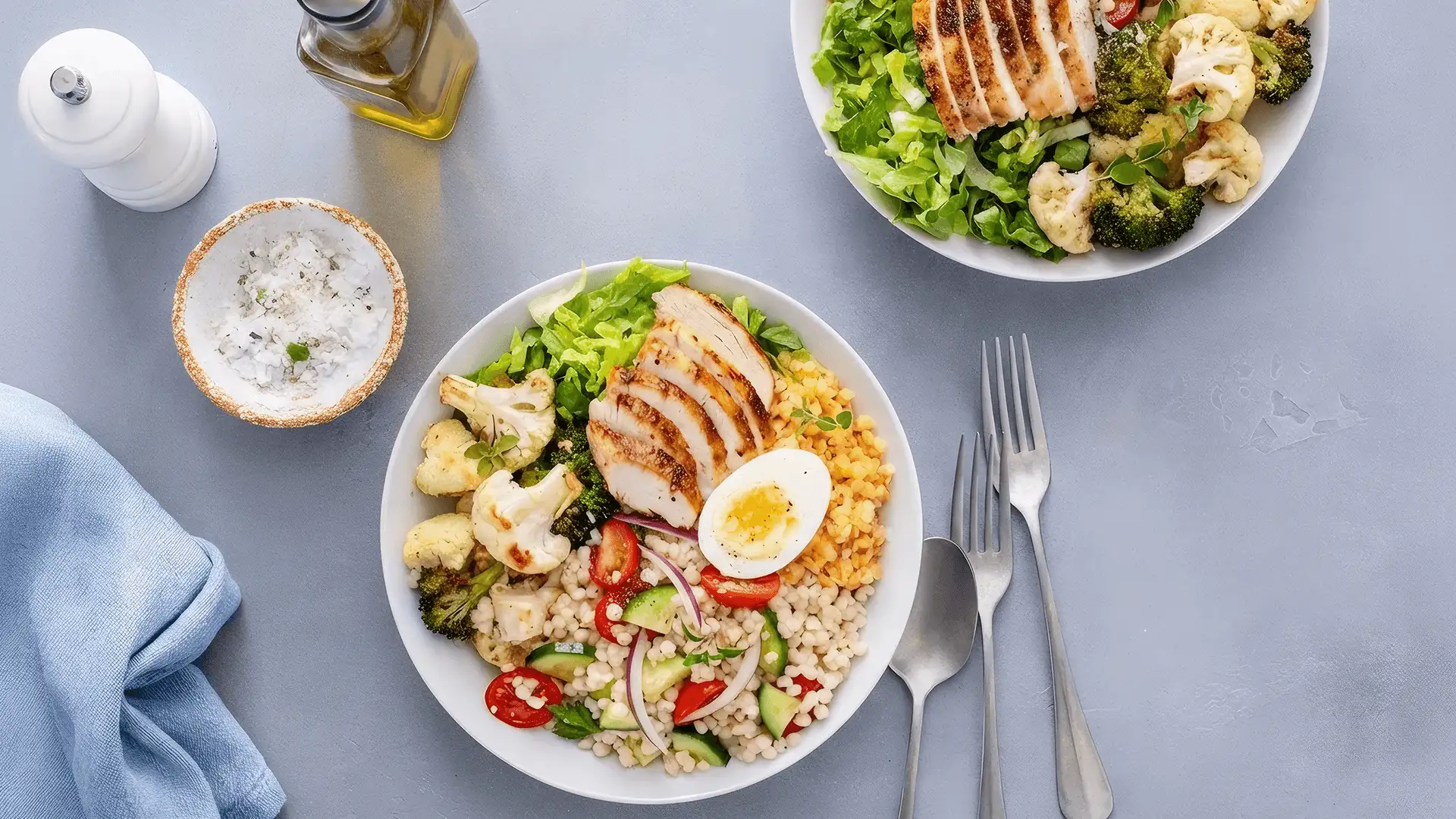
Protein plays a critical role in keeping you healthy. It’s important for your brain, heart and every part of your body, so it’s good to know which foods contain protein and how much you need at every life stage. Bonus: getting enough is easier and more affordable than you may think.
Why is protein important at every life stage?
Protein helps create, repair and maintain body cells. It’s part of muscles, bones, skin and all your organs, including your heart. It also supports your hormones and immune system and helps you feel full after eating. At all ages, the best proteins are those that fit your budget, appetite, health needs, flavour preferences, chewing ability and cultural needs. Here’s how protein matters at every life stage:
- Infancy and childhood: Protein supports growth, brain development and the formation of muscles and organs.
- Adolescence: Protein fuels growth spurts, lean body mass and hormonal changes.
- Adulthood: Protein helps maintain muscle and bone, support immune function and build enzymes and hormones.
- Pregnancy and breastfeeding: Protein promotes fetal growth and breast milk production.
- Older adulthood: Protein helps preserve muscle mass and bone health, keeping you stronger and more active.
How much protein do I need?
It would be great if there was one magic number! Unfortunately, that’s not the case. Protein requirements differ based on these criteria:
- age
- height
- weight
- medical conditions
- activity level.
For adults, optimal protein intake falls within a range between 0.8 and 2 grams of protein per kilogram of body weight per day. For a 68-kg (150-lb) adult, that’s between 54-136 grams of protein per day. Dietitians often recommend amounts in the middle to higher end of the range; you can work with one to determine how much is ideal for you.
Alternatively, you can simply follow our guidelines for building healthy meals and fill a quarter of your plate with protein-rich foods. That provides around 25-30 grams of protein per meal. Add some protein-rich snacks between meals, and you’ll have more than enough protein to power through the day.
What are good sources of protein?
Protein is found in many foods, but in varying amounts. Animal-based foods, such as chicken, fish and dairy, are good sources of protein. Many plant-based foods, such as tofu and beans, are high in protein too. Grains, vegetables and fruits have smaller amounts.
If you’re unsure how much protein a food provides, food labels in Canada list the amount of protein per serving in the Nutrition Facts table. This can help you compare products and choose options that support your needs.
Here is the protein content for a variety of foods:
| Food | Protein (grams) |
|---|---|
| Meat, fish and poultry | |
| 85 g chicken or turkey | 25-28 |
| 85 g beef or pork | 22-26 |
| 85 g salmon or tuna | 22-23 |
| Plant-based alternatives | |
| 1 cup extra firm tofu | 23 |
| 1 cup cooked beans (pinto, kidney, black, etc.) | 16-22 |
| 1 cup shelled edamame (green soybeans) | 18 |
| 1 cup cooked lentils | 18 |
| 2 tbsp peanut butter | 7 |
| Dairy and eggs | |
| ¾ cup plain Greek yogurt | 17 |
| 2 eggs | 12 |
| 1 cup milk | 8 |
| 28 g cheddar cheese | 6 |
| Grains | |
| ½ cup cooked pasta or quinoa | 4 |
| ½ cup cooked rice | 2 |
| 1 slice bread | 3-5 |
| Vegetables and fruit | |
| ½ cup most vegetables and fruits | 1 |
What are easy ways to get enough protein?
Getting enough protein can be easier and more affordable than you might think. The average Canadian already gets about 80 grams of protein per day. You don’t need to go overboard or rely on protein powders, ready-made drinks or bars. You can get enough protein by following a few of these tips:
- Include protein at every meal — fill half of your plate with vegetables and fruit, one quarter with whole grains and the other quarter with protein-rich foods.
- Choose protein-rich snacks, such as yogurt, roasted chickpeas or peanut butter.
- Start the day with a good source of protein, such as Greek yogurt, cottage cheese or eggs.
- Choose higher-protein swaps, such as a milk-based latte instead of black coffee.
Is eating too much protein bad for your heart?
Protein that your body doesn’t need is used for energy or stored as fat. Consistently eating more protein than you need can contribute to weight gain over time.
Very high-protein diets may crowd out other important foods, such as vegetables and whole grains, which can lead to low fibre intake and missing nutrients. Eating patterns extremely high in animal-based proteins (especially red and processed meats) can increase your saturated fat intake, which may negatively affect your heart health.
Are processed proteins healthy?
Protein-rich foods like meat, poultry and beans can be ultra-processed, when used as ingredients in convenience foods including burgers, tofu puddings, hot dogs and chicken nuggets. Regularly eating ultra-processed foods has been linked to a higher risk of heart disease. Enjoy these kinds of prepared foods occasionally for convenience, but stick with minimally processed ingredients most often in the dishes you make and eat.
What are good protein-rich dishes to make on a budget?
The cost of meat has increased, making it an expensive grocery item. Beans, lentils, tofu and eggs are lower-cost options. Canned fish can be more affordable, too. Use these ingredients in soups, salads, stews, stir-fries and curries. Try these heart-healthy, protein-rich recipes that call for more budget-friendly ingredients:
