


Today, I live
At 84, Carmelo is once again making plans for the future but just a few years ago a heart failure diagnosis threatened the future he’d worked so hard to have.
Carmelo, a Toronto grandfather, and his wife, Roberta, have been together for 58 years. These days, they’re busy taking trips and enjoying time with their children and grandchildren. They’re grateful for all the memories they get to make.
Just a few years ago, Carmelo’s heart failure diagnosis threatened the future they worked so hard to have.

Carmelo Calderone and his wife, Roberta, love to travel.
When hope felt out of reach
Carmelo’s heart problems began years before his heart failure diagnosis:
“I couldn’t do anything. I couldn’t walk. Out of breath most of the time, sleepy, tired,” recalls Carmelo. “I was scared.”
In 2012, he was diagnosed with arrhythmia. Then in 2015, further testing — including a stress test and angiogram — revealed blocked arteries. Carmelo underwent a procedure to have three stents inserted.
But his health continued to decline.
By 2021, doctors removed two litres of fluid from around Carmelo’s heart and diagnosed him with heart failure with preserved ejection fraction (HFpEF), a common but complex form of heart failure. At his lowest point, Carmelo could only walk for a few minutes at a time and often had to support himself by holding onto the wall. He spent most of the day lying on the couch. It was hard to imagine that things could improve.
From surviving to living
For many years, heart failure was believed to happen uniquely because the heart had become too weak to pump blood effectively. As a result, efforts to treat heart failure focused on strengthening the heart’s pumping function. Most of those solutions failed.
Determined to understand why, Heart & Stroke-funded researcher Dr. Peter Liu helped uncover that for people who have heart failure with HFpEF, the heart can still pump blood normally. The problem is that the heart muscle becomes too stiff to relax properly between beats, making it harder for the heart to fill with enough blood. As a result, the heart can struggle to provide enough blood to the body's organs.
This breakthrough revolutionized heart failure protocols. Today, more targeted care and treatments restore quality of life after diagnosis and give people like Carmelo more years.
In 2022, Carmelo began seeing a different cardiologist, who adjusted his medications and worked with him on dietary changes. Over time, his symptoms improved dramatically. For Roberta, the transformation has been remarkable. “Now we get up every morning and think, ‘What are we going to do today?’”
Roberta says he went from making funeral plans to making travel plans. A recent trip to Italy shows just how far he had come. The couple returned to a favourite hotel in Rome, where their room could only be reached by climbing three flights of a marble staircase.
“Our kids kept saying, ‘How are you going to get up there?’” Roberta recalls.
Carmelo wasn’t worried. “I counted them,” he says with a laugh. “Seventy-five steps.”
“He was determined, and we were determined,” chimes in Roberta.
Hope for the future
Roberta is grateful to researchers like Dr. Liu for giving her husband back the chance to participate fully in family life. “He’s there for all of us whenever we need anything,” she says. “Our grandchildren will be the first to tell you that they’re very happy that their grandfather is watching soccer games with them.”
Carmelo and Roberta had the chance to meet Dr. Liu at a staged radio interview. It was set-up as a surprise for the researcher, so the people whose lives his research transformed could say ‘thank you’ in person. For the couple, it was an emotional day.
“When I saw Dr. Liu, I would have liked to have embraced him,” says Roberta. “Whatever he did, it was magic. His work has changed a person’s way of life, their thoughts about life, their sense of well-being and their hope for the future.”
For Carmelo, research has restored his courage and given him a new philosophy:
“Today, I live. I’m alive, so might as well do it.”

Real stories, real impact


Here for every milestone
Research ensured Katie could be there for hockey games, swim meets, dance competitions and everyday adventures.

I don't want to die
Heart failure changed Wayne’s life, but research gave him more time and a new purpose.
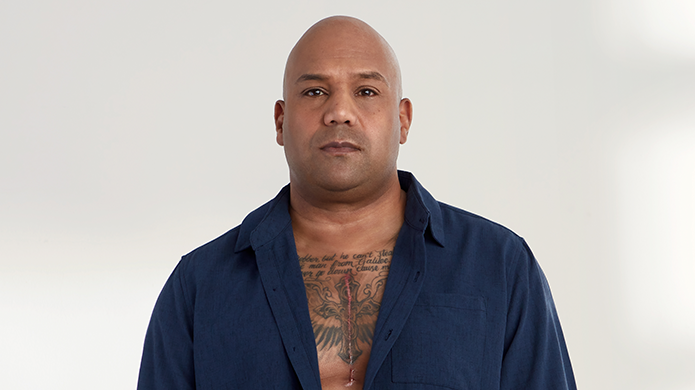
Facing a future with heart failure
The diagnosis knocked Kevin down. But after open-heart surgery, he’s back on his feet