


I don’t want to die
Heart failure changed Wayne’s life, but research gave him more time and a new purpose.
Nine years ago, six days after his sixtieth birthday, Wayne Sandvik was heading to the shower at home, when he fell to his knees, banging against a door on the way down. His wife, Gina, heard the commotion and came running. “Call an ambulance,” said Wayne.
The next thing he remembers is lying on a stretcher in the emergency room. “The doctor is right over my head, and he says, ‘Mr. Sandvik, do you know what’s happening?’,” Wayne recalls. “I said, ‘Yeah, I’m having a heart attack.’” After the doctor confirmed his fears, Wayne responded at once: “I don’t want to die.”
The warnings had been there for months: tightness in his lungs on cold walks and feeling unusually winded after a stressful meeting. “The body is so smart,” Wayne says. “It’ll give you a sign.” However, at the time he hadn’t gone to get his health checked out. A smoker for 40 years, Wayne was at high risk for heart disease. The cigarette he smoked half an hour before his heart attack would be his last.
Getting treatment became a race against time. Sault Ste. Marie had no catheterization lab then, and fog had grounded the helicopters that normally would have airlifted him to a bigger hospital in Sudbury. Wayne’s only option was an ambulance.
His heart attack had begun around 10 a.m., but he didn’t reach Sudbury until about 6:30 p.m. and had a second heart attack there, in the operating room. Unfortunately, the delay led to permanent damage and heart failure.

Wayne goes on bike rides to keep fit.

Wayne Sandvik, and his wife, Gina, enjoying a beautiful day on the golf course.
Not finished yet
After almost a week in the ICU, Wayne could finally get out of bed and inch his way out of his room into the hallway with a walker. When the nurses and doctors saw him on his feet, they gathered round and clapped. “They could see I was going to make it,” says Wayne. A week later, he was discharged — just in time for a Super Bowl viewing party with his family.
Back home, there were medications to adjust to, sleepless nights and moments when he couldn’t stop worrying about his children, who were in high school at the time. Wayne's initial prognosis was about five years. Would he be there to see them graduate from university, build careers, fall in love?
Slowly, things improved. Wayne stopped smoking, started walking, changed how he ate and followed a treatment plan for living with heart failure. He resumed doing the things he loved, including riding his bike most nights, playing golf and tending the flowers and growing vegetables in his garden. He was also able to return to work.
Nearly a decade later, he is still here thanks to advances in research. Through remote monitoring, he tracks his weight, blood pressure and pulse at home while a care team flags concerns before they become emergencies. His implanted defibrillator is monitored by specialists in Toronto. He knows his heart will never be the same. But he also knows he’s not finished yet.
Acts of gratitude
Wayne has turned his experience into action: He spent countless hours volunteering at the Sault Area Hospital, as well as with provincial, national and international programs as a person with lived experience. He speaks publicly to encourage people to seek timely care and live well with heart failure. And he founded It’s All Here, a company that helps people with health issues to obtain financial products. Through it all, he is helping others ask the right questions, access the care they need and live life to the fullest.
At a Heart & Stroke event staged this year under the guise of a radio interview, Wayne had the opportunity to surprise Dr. Peter Liu, a Heart & Stroke-funded researcher who has dramatically improved outcomes for people living with heart failure. Alongside other Canadians living with heart failure — and their loved ones — Wayne thanked Dr. Liu in person for his decades of research, which advanced diagnosis, treatment and care protocols.
For Wayne, this has meant feeling good enough to crack jokes, sit around a campfire or barbecue with friends and family, and take his wife Gina on a great summer vacation.
His message to all researchers is simple:
“Thank you. Don’t stop.”

Real stories, real impact


Here for every milestone
Research ensured Katie could be there for hockey games, swim meets, dance competitions and everyday adventures.

Today, I live
At 84, Carmelo is once again making plans for the future but just a few years ago a heart failure diagnosis threatened the future he’d worked so hard to have.
Facing a future with heart failure
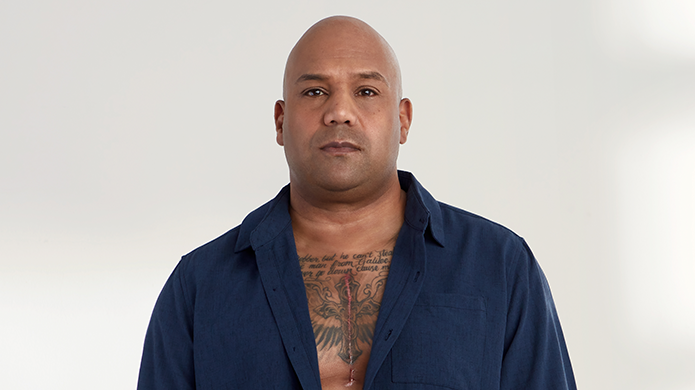
The diagnosis knocked Kevin down. But after open-heart surgery, he’s back on his feet